News
Two-Component Epoxy Dispensing Machine for Sensor Filling and Encapsulation
Sensors play an essential role in automotive electronics, industrial automation, medical equipment, environmental monitoring, and smart devices. In these applications, sensors often operate in challenging environments where moisture, dust, vibration, chemicals, and temperature fluctuations can affect their performance.
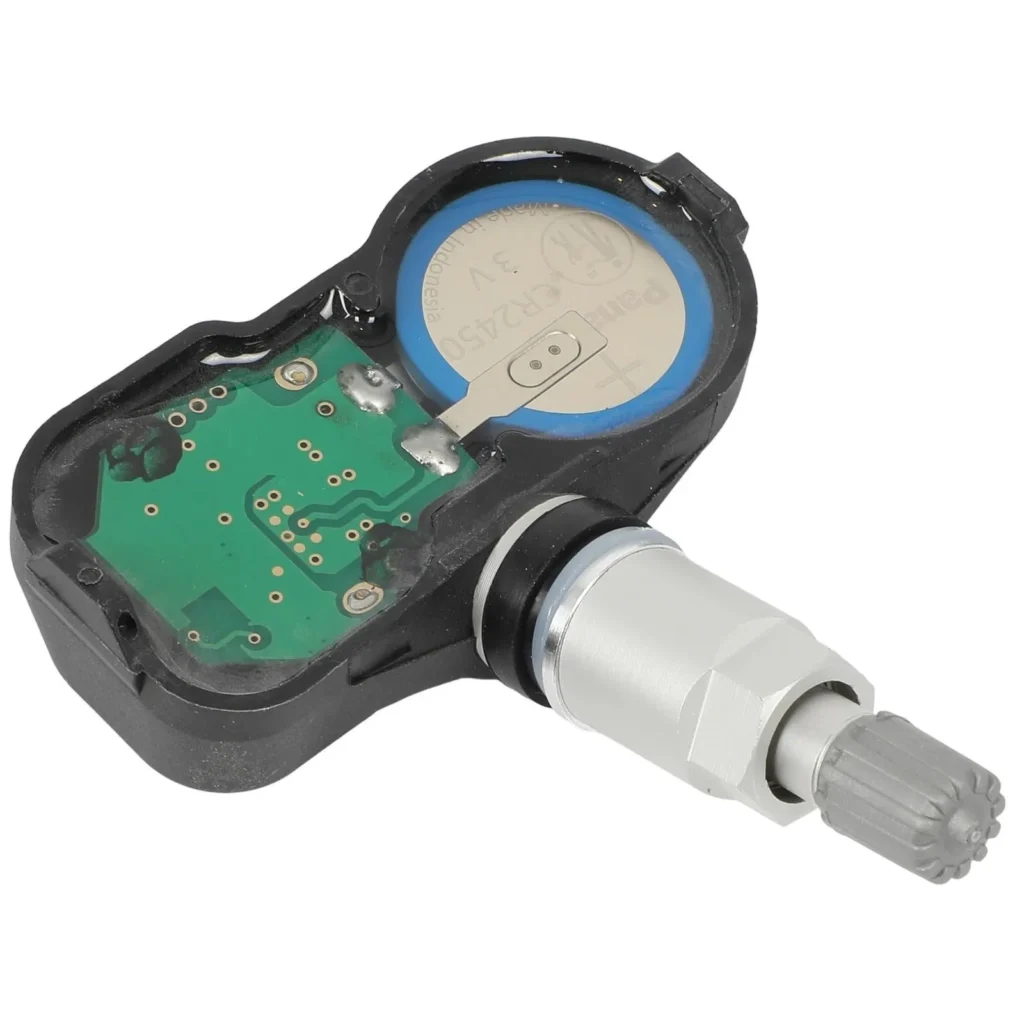
A reliable Two-Component Epoxy Dispensing Machine for Sensor Filling and Encapsulation helps manufacturers apply protective materials accurately and consistently. By combining precision metering, material mixing, and controlled dispensing, the system supports efficient sensor encapsulation and helps improve product reliability.
For manufacturers working with epoxy resin, polyurethane (PU), or silicone compounds, selecting the right potting equipment is an important step toward achieving stable production quality.
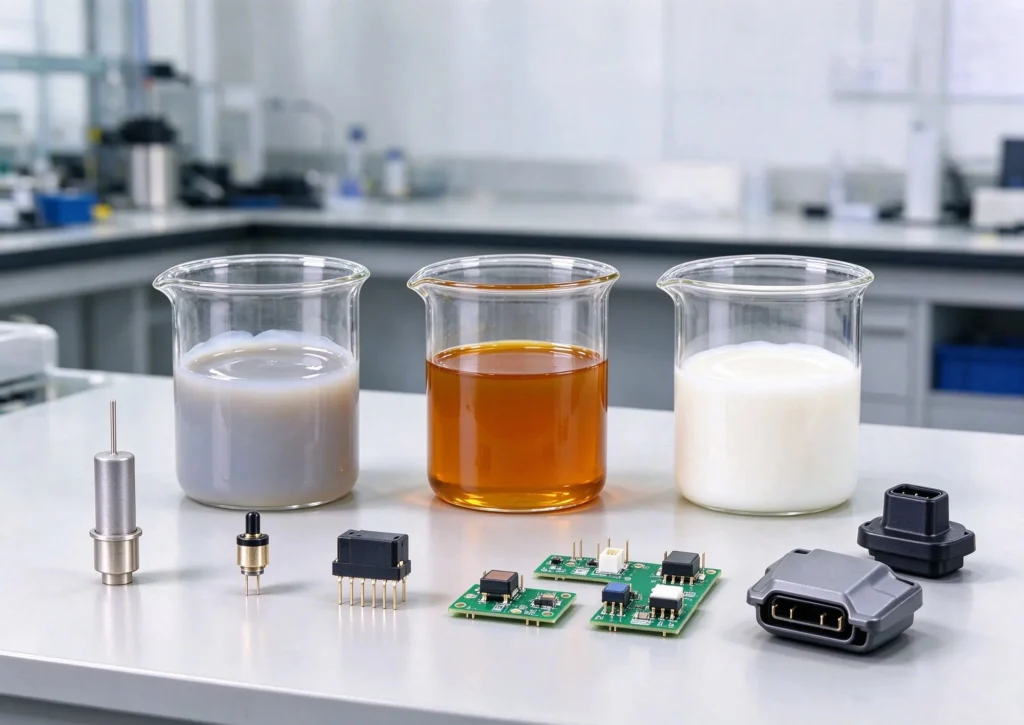
What Is a Sensor Potting and Encapsulating Compounds Machine?
A sensor potting machine is designed to dispense encapsulating compounds into sensor housings, cavities, or designated areas. The material surrounds sensitive electronic components, providing protection according to the selected compound and application requirements.
For two-component materials, such as certain epoxy, polyurethane, and silicone formulations, the equipment meters components A and B at a specified mixing ratio before delivering the mixed compound to the workpiece.
A typical two-component sensor potting system may include:
- Material storage tanks for components A and B
- Precision metering pumps
- Ratio-controlled material delivery
- Static or dynamic mixing systems
- Dispensing valves and programmable control systems
- Optional vacuum degassing or automated positioning systems
The configuration can be customized according to material viscosity, mixing ratio, dispensing volume, production capacity, and sensor design.
Key Benefits of Automatic Sensor Potting Equipment
1. Accurate Metering and Mixing
Two-component encapsulating compounds require an appropriate mixing ratio to achieve their intended curing and performance characteristics. A precision metering and mixing system helps maintain consistent material delivery and reduces variation during production.
The required ratio, output, and accuracy should be selected according to the compound manufacturer’s specifications and actual process requirements.
2. Consistent Dispensing Quality
Manual dispensing can produce variations in filling volume and material distribution. Programmable dispensing equipment can help manufacturers control shot volume, dispensing paths, and cycle parameters.
This is particularly useful when processing sensor housings with small cavities, narrow gaps, or complex internal structures.
3. Improved Moisture and Environmental Protection
Potting compounds can help protect sensitive sensor electronics from moisture, dust, vibration, and selected chemicals. The final protection level depends on the encapsulating material, housing design, curing process, and sealing structure.
A suitable dispensing system helps apply the material consistently to support the intended protection requirements.
4. Flexible Production for Different Sensor Designs
Sensor manufacturers often produce multiple models with different housing dimensions and filling requirements. Programmable dispensing systems can accommodate different recipes and dispensing parameters, subject to the machine configuration.
For higher-volume production, the system can also be integrated with fixtures, conveyors, robotic positioning, or automated assembly lines.
5. Reduced Material Waste and Better Process Control
Controlled metering and dispensing can help reduce overfilling, dripping, and unnecessary material consumption. Process parameters can be adjusted to match the material properties and product geometry.
For manufacturers seeking improved production efficiency, automation can also reduce repetitive manual operations and support more consistent manufacturing workflows.
Which Potting Compounds Can Be Used for Sensor Encapsulation?
The appropriate material depends on the sensor’s operating environment, required mechanical properties, and electrical protection needs.
Epoxy Resin
Epoxy potting compounds are commonly selected for applications requiring good adhesion, electrical insulation, and a rigid protective structure. They may be suitable for industrial electronics, position sensors, and selected automotive or electronic sensor assemblies.
Material hardness, thermal performance, chemical resistance, and curing requirements vary by formulation.
Polyurethane (PU)
Polyurethane compounds are available in formulations with different levels of flexibility and hardness. Certain PU materials are suitable for applications where vibration absorption, mechanical stress management, or a more flexible encapsulation layer is desired.
The required mixing ratio, viscosity, and curing conditions should be confirmed before configuring the dispensing system.
Silicone
Silicone potting compounds are often considered for applications requiring flexibility and performance across a specified temperature range. They can be useful for selected sensors exposed to thermal cycling or mechanical movement.
Because silicone formulations differ significantly, compatibility, adhesion, curing behavior, and dispensing characteristics should be evaluated for each application.
Typical Applications of Sensor Potting Machines
A sensor potting and encapsulating compounds machine can be configured for a wide range of electronic protection applications.
Pressure Sensors: Dispensing encapsulants into suitable sensor housings to protect electronic components while preserving the required sensing structure.
Temperature Sensors: Encapsulating selected electronic sections to support environmental protection and manufacturing consistency.
Automotive Sensors: Supporting potting processes for compatible automotive electronic sensors, including selected position, speed, and monitoring sensors.
Industrial Sensors: Helping protect sensor electronics used in automation equipment, industrial monitoring, and control systems.
Magnetic and Inductive Sensors: Applying suitable compounds around designated electronic components and assemblies, depending on the sensor design.
Waterproof Electronic Modules: Supporting encapsulation processes for products that require protection against moisture or environmental exposure.
The material and dispensing method must be selected carefully to avoid blocking sensing surfaces, affecting calibration, or interfering with the sensor’s intended function.
How to Choose the Right Sensor Potting Machine
Before selecting a sensor encapsulation system, manufacturers should evaluate several important factors.
Material Type: Determine whether the application requires epoxy, PU, silicone, or another compatible encapsulating compound.
Mixing Ratio: Confirm the specified ratio of components A and B and whether the system must support ratio adjustment.
Material Viscosity: Check the viscosity range, filler content, working time, and temperature sensitivity of the compound.
Dispensing Volume: Define the required shot volume, filling depth, cycle time, and acceptable dispensing variation.
Degassing Requirements: Some materials or applications may benefit from vacuum degassing to reduce entrapped air. The need for vacuum processing depends on the compound and the required product quality.
Automation Level: Choose between a manual, semi-automatic, or fully automatic solution according to production volume and labor requirements.
Cleaning and Maintenance: Consider mixing tube replacement, valve cleaning, material purging, and the handling of materials that cure after mixing.
A machine supplier should review these parameters before recommending a suitable system configuration.
Customized Two-Component Sensor Potting Solutions
A two-component metering, mixing, and dispensing system can be configured around the production requirements of different sensor manufacturers.
Depending on the application, the equipment may incorporate precision pumps, adjustable dispensing parameters, programmable motion control, vacuum degassing, or automated workpiece handling.
Before production, it is recommended to test the actual encapsulating compound and representative sensor housings. Testing helps verify mixing performance, filling quality, bubble control, curing behavior, and compatibility with the finished sensor.
Conclusion
A suitable sensor potting and encapsulating compounds machine helps manufacturers achieve more controlled dispensing, consistent material mixing, and repeatable encapsulation processes. By matching the equipment to the selected epoxy, polyurethane, or silicone compound, manufacturers can develop a potting process tailored to their sensor design and production goals.
Looking for a sensor potting solution for your application? Share your material type, mixing ratio, dispensing volume, and sensor dimensions with our team to discuss a suitable configuration.
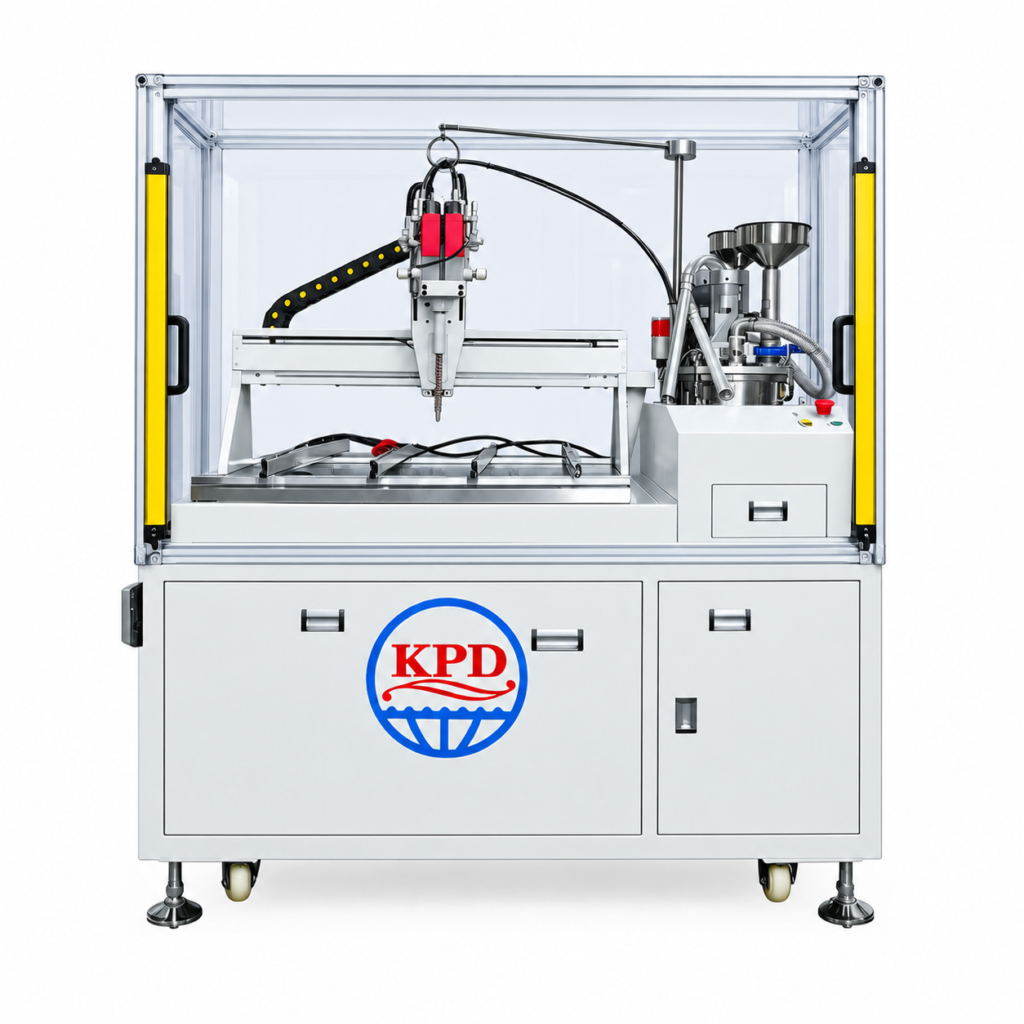
Contact us to explore a customized sensor potting and encapsulation system for your production line.