News
What is the 2K Adhesive Dispensing System?
2K Adhesive Dispensing System: Precision Metering, Mixing and Dispensing Solutions
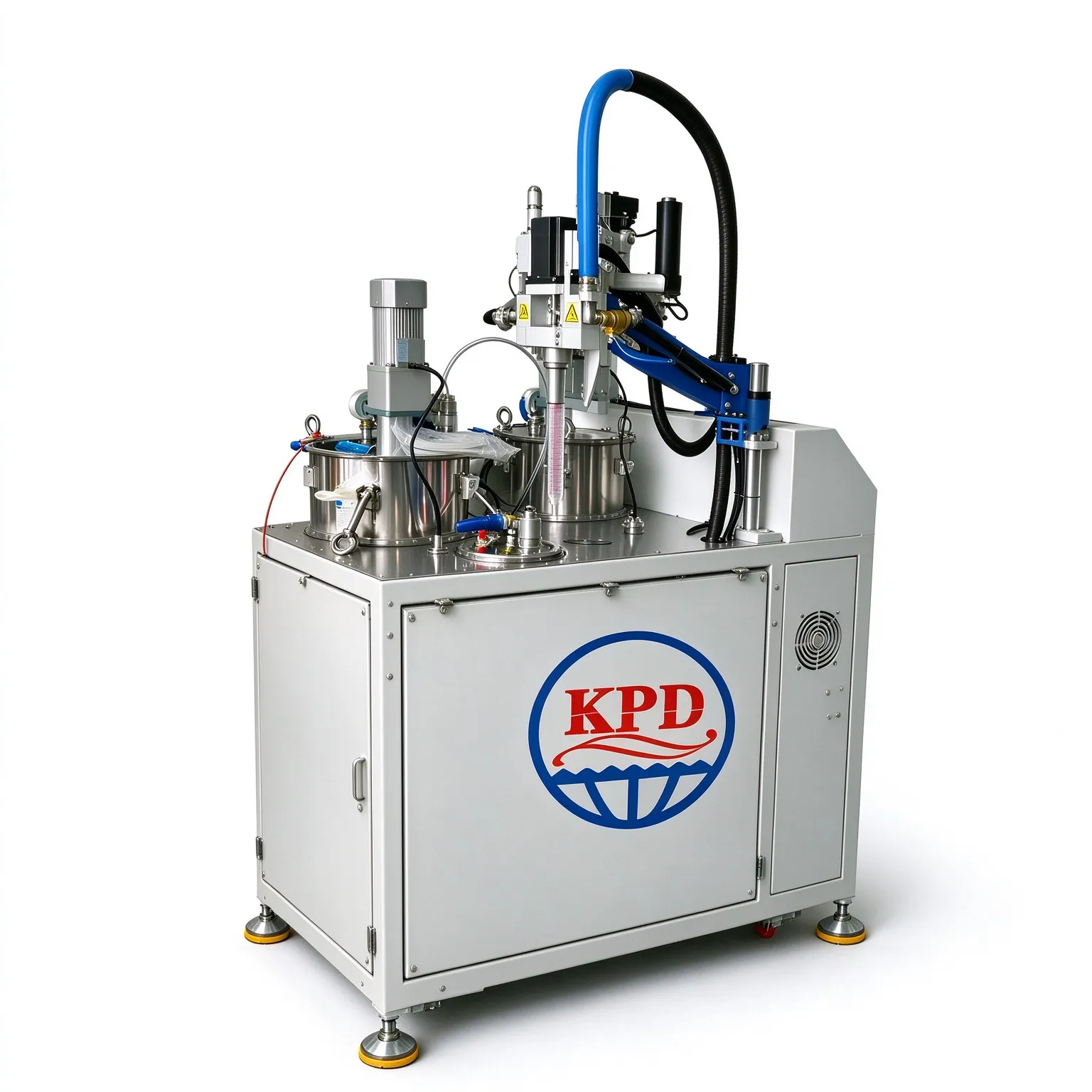
A 2K adhesive dispensing system is an industrial solution designed to accurately meter, mix and dispense two-component materials such as epoxy resin, polyurethane (PU), silicone and other reactive adhesives.
Unlike single-component dispensing equipment, a two-component dispensing system handles two separate materials, commonly identified as Part A and Part B. The two materials are stored independently and delivered through separate metering channels. They are combined at a controlled mixing ratio immediately before application.
Our 2K adhesive dispensing systems are designed to help manufacturers improve dispensing accuracy, product consistency, production efficiency and material utilization in demanding industrial applications.
Whether you need an automatic epoxy potting machine, a polyurethane adhesive dispensing system or a precision two-component mixing and dosing machine, the equipment can be configured according to your material properties, mixing ratio, dispensing volume and production requirements.
1. What Is a 2K Adhesive Dispensing System?
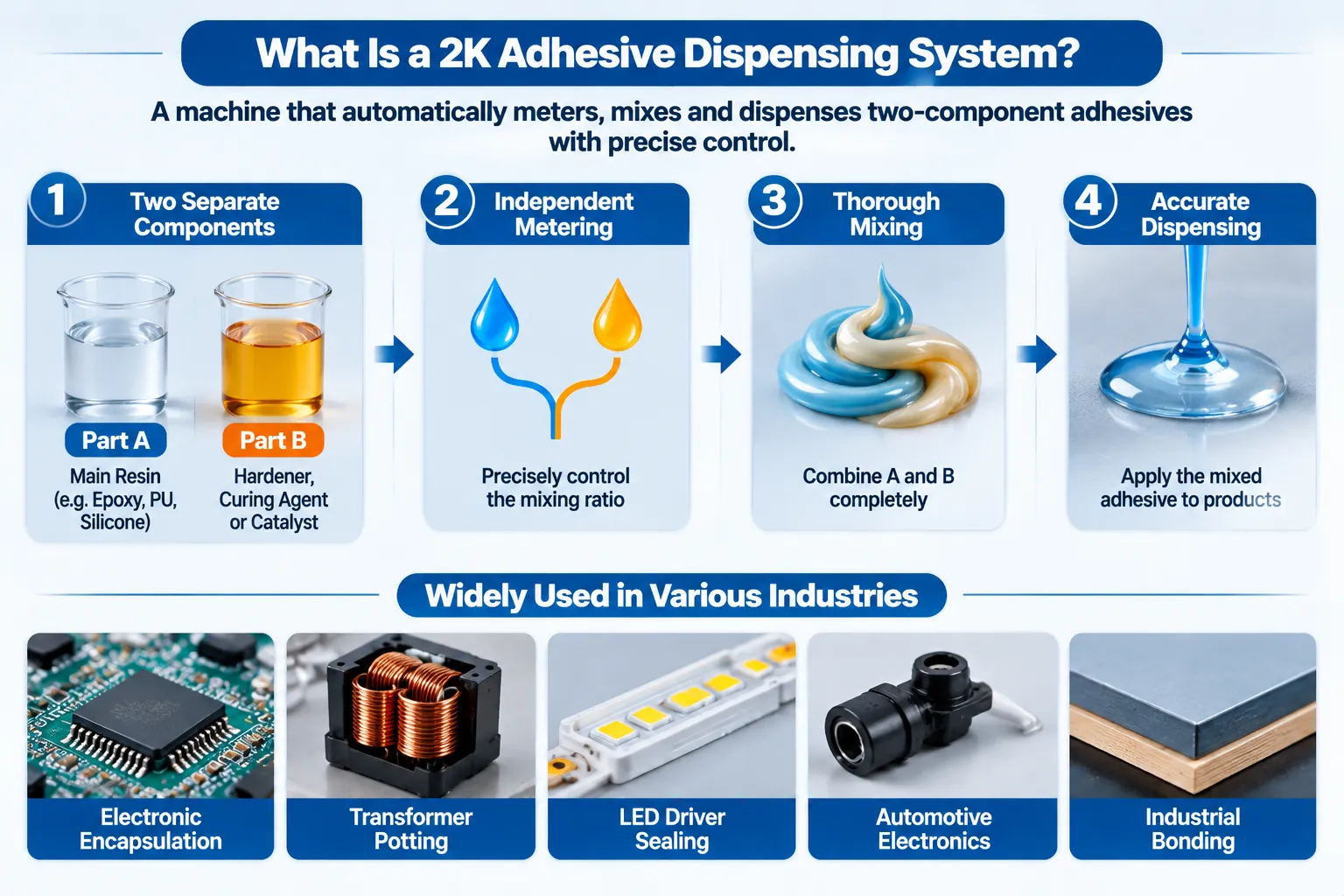
A 2K adhesive dispensing system is a machine that automatically meters, mixes and dispenses two different liquid components according to a predetermined mixing ratio.
The two materials are generally:
- Part A: Main resin, such as epoxy resin, polyurethane resin or silicone.
- Part B: Hardener, curing agent or catalyst.
Before mixing, Part A and Part B remain separated to prevent premature chemical reactions. During operation, independent pumps or metering units deliver both components at the required flow rates.
The materials then enter a mixing unit, where they are thoroughly combined before being dispensed onto the target product.
This process is commonly used for electronic encapsulation, transformer potting, LED driver sealing, automotive electronics and industrial bonding.
 2. How Does a Two Component Adhesive Dispensing System Work?
A typical two-component dispensing process consists of five main stages.
Step 1: Material Storage
Part A and Part B are stored in separate material tanks or pressure vessels.
Depending on the adhesive characteristics, the tanks can be equipped with:
- Automatic stirring systems
- Vacuum degassing
- Heating functions
- Level monitoring
- Pressure regulation
These functions help maintain stable material conditions during production.
Step 2: Independent Metering
The A and B components are delivered through independent metering pumps.
A precision control system adjusts the output of each component according to the required mixing ratio.
For example, a 2:1 mixing ratio means two parts of A are combined with one part of B, based on the specified ratio convention.
Step 3: Mixing
The two components enter a mixing valve or mixing chamber.
Depending on the adhesive material and application, the system can use:
- Disposable static mixing tubes
- Dynamic mixing systems
- Precision screw metering and mixing valves
The purpose is to achieve a homogeneous mixture before dispensing.
Step 4: Automatic Dispensing
After mixing, the adhesive is dispensed onto the target product through a dispensing nozzle.
The machine can be configured for different dispensing methods:
- Manual dispensing
- Semi-automatic dispensing
- Automatic XYZ dispensing
- Robotic dispensing
- Continuous bead dispensing
- Metered potting and filling
Step 5: Curing
After dispensing, the mixed adhesive begins its curing reaction.
Depending on the material, curing can take place at room temperature or under controlled heating conditions.
The finished product gains the required bonding, sealing, insulation or protective properties.
3. Main Components of a 2K Adhesive Dispensing Machine
A complete two-component dispensing system consists of several important functional units.
3.1 A/B Material Storage Tanks
Separate tanks are used to store the two adhesive components.
Optional configurations include stainless steel pressure tanks, stirring motors, vacuum systems and heating devices.
3.2 Precision Metering Pumps
The metering system controls the output of Part A and Part B independently.
Different pump technologies can be selected according to adhesive viscosity, dispensing volume, accuracy requirements and material characteristics.
Common options include gear pumps, screw pumps and other precision metering mechanisms.
3.3 Two-Component Mixing Valve
The mixing valve is one of the most important components of the system.
It combines the two materials at the required ratio and delivers the mixed adhesive to the dispensing outlet.
For materials that require thorough mixing, a suitable static or dynamic mixing structure can be selected.
3.4 Dispensing Controller
The PLC control system manages dispensing parameters, including:
- Mixing ratio
- Dispensing quantity
- Flow rate
- Dispensing time
- Automatic operation sequences
- Alarm and safety functions
Operators can adjust production parameters through the touchscreen interface.
3.5 Dispensing Nozzle
The dispensing nozzle determines how the adhesive is applied.
Different nozzle designs are available for potting, filling, bonding, sealing and coating applications.
4. Key Advantages of a 2K Adhesive Dispensing System
Accurate Mixing Ratio
Independent metering channels help maintain the specified A/B ratio, reducing the risk of incomplete curing caused by incorrect proportions.
Consistent Dispensing Volume
Programmable dispensing parameters help achieve repeatable adhesive output and improve product consistency.
Reduced Material Waste
Controlled dispensing reduces excessive adhesive application and helps minimize material loss.
Improved Production Efficiency
Automatic dispensing programs reduce manual operations and support continuous or batch production.
Flexible Material Compatibility
The system can be configured for different two-component materials, including:
- Epoxy resin
- Polyurethane (PU)
- Two-component silicone
- Thermal conductive adhesives
- Structural adhesives
- Other reactive two-component compounds
Material compatibility should be evaluated before selecting pumps, seals, hoses and mixing components.
Customized Automation
The equipment can be integrated with conveyors, robotic arms, positioning fixtures, curing ovens and production lines.
5. Applications of 2K Adhesive Dispensing Systems
Two-component dispensing technology is widely used in electronics, electrical manufacturing, automotive components and industrial production.
5.1 Electronic Component Potting
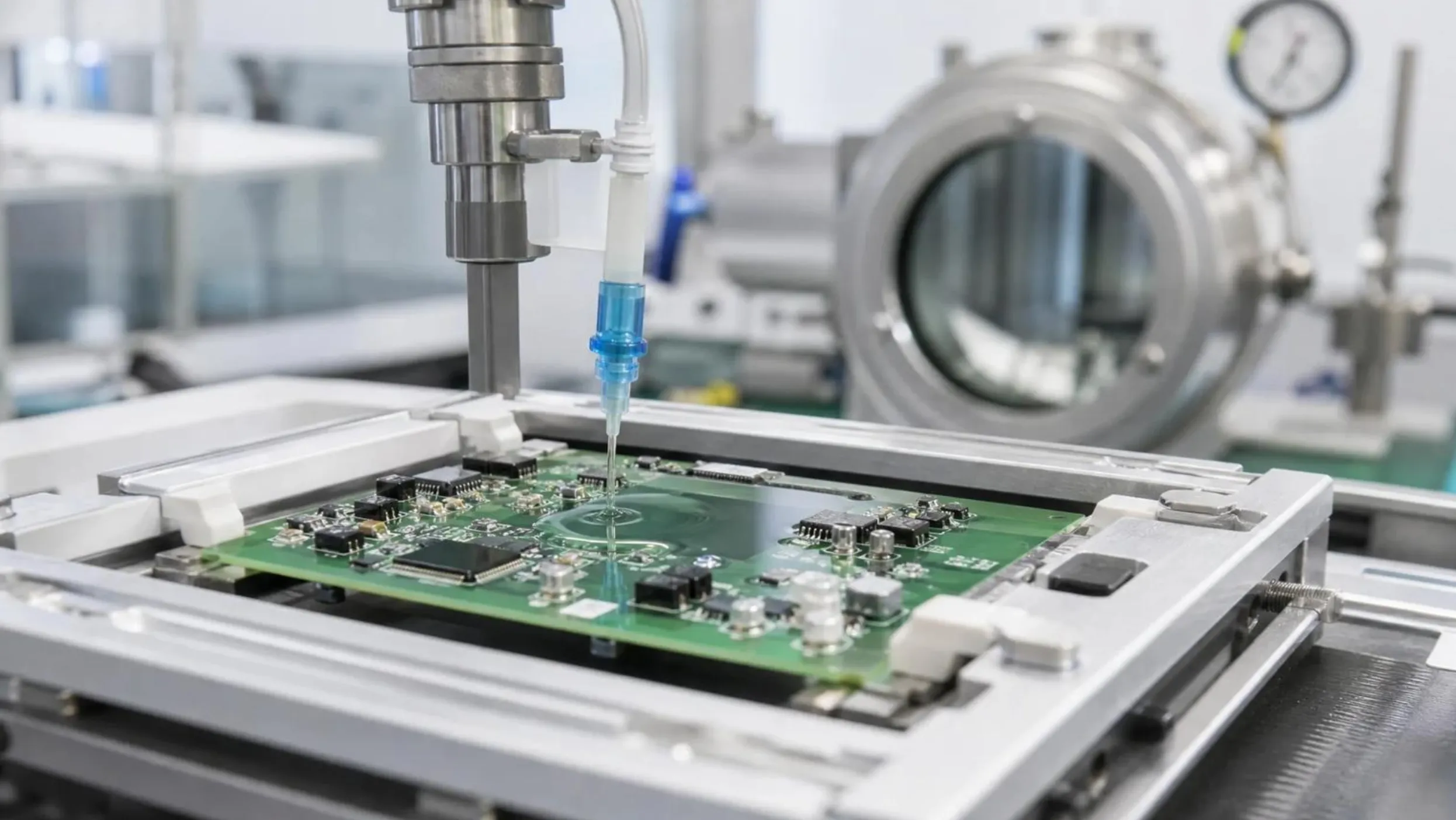
Two-component epoxy resin is commonly used to encapsulate electronic components and PCBs.
The cured material provides electrical insulation, moisture protection, mechanical support and environmental protection.
Typical applications include:
- Electronic control modules
- Circuit boards
- Sensors
- Power supply modules
- Electronic connectors
 5.2 Transformer and Inductor Potting
A 2K epoxy dispensing machine can accurately fill transformer housings, inductors and electrical coils.
The potting material helps improve insulation, moisture resistance and mechanical protection.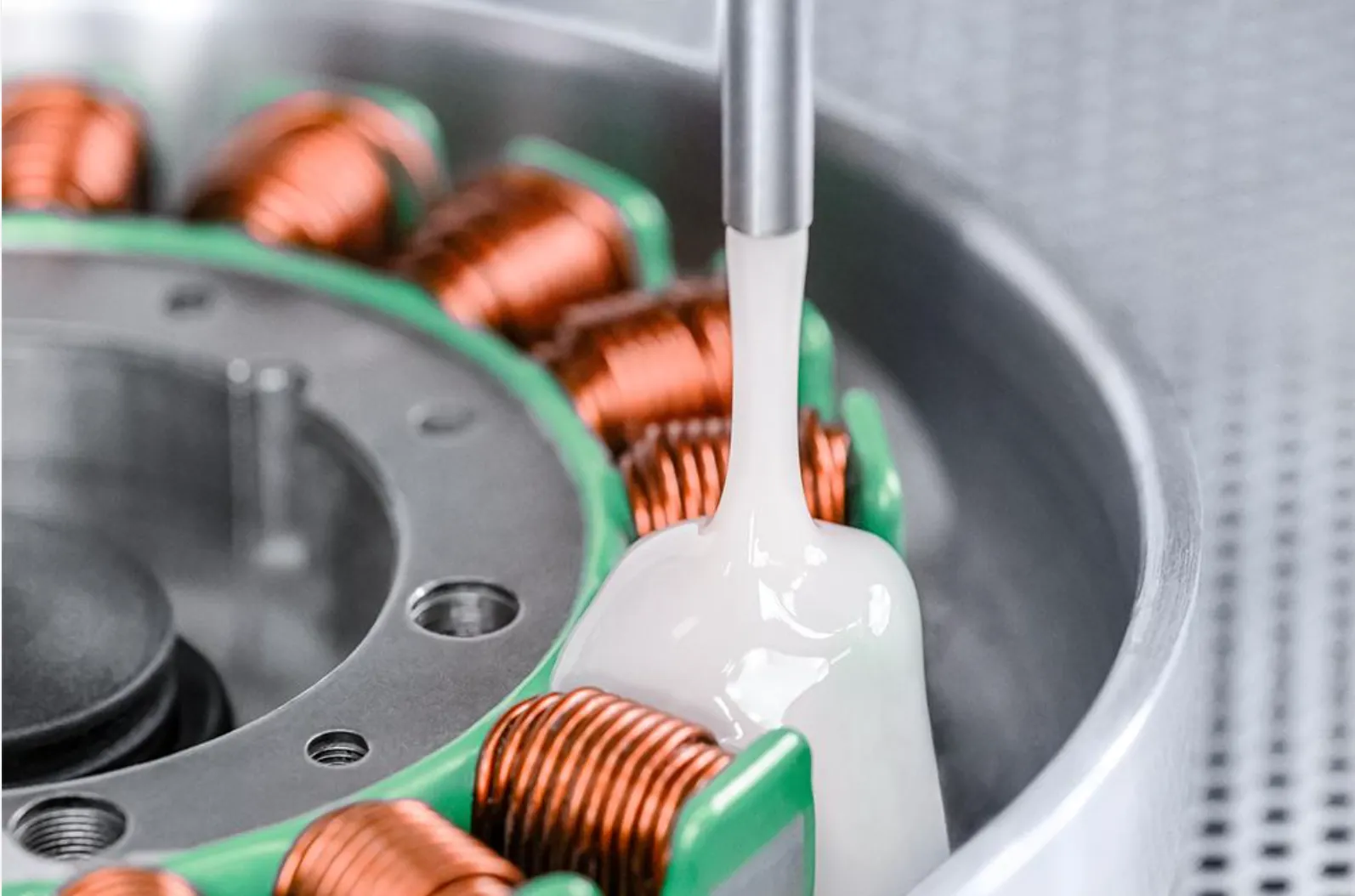
5.3 LED Driver and Power Supply Encapsulation
Two-component epoxy and silicone materials are widely used for LED driver and power supply encapsulation.
An automatic dispensing system can be integrated into a production line for accurate filling and improved manufacturing efficiency.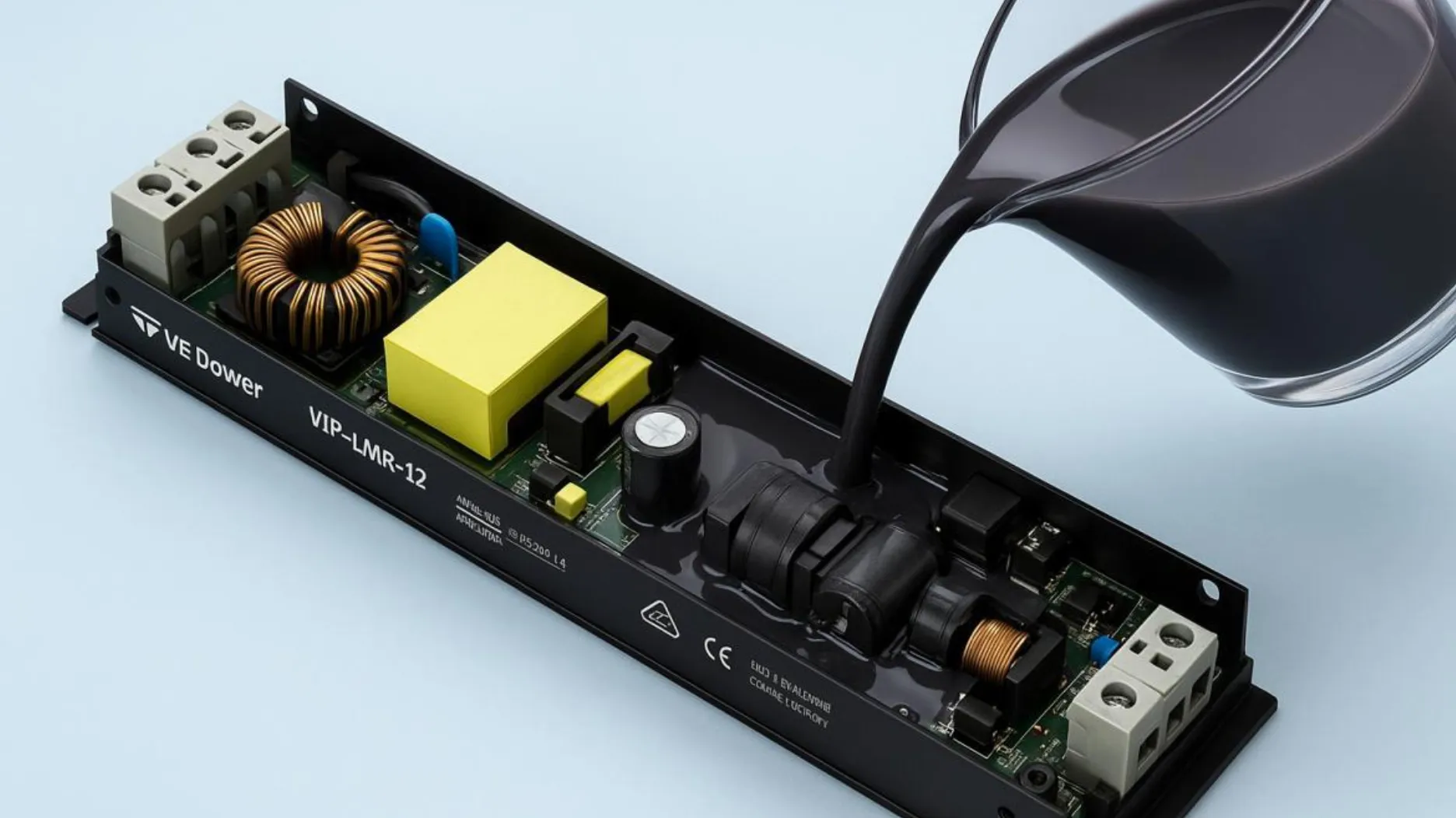
5.4 Automotive Electronics
Automotive electronic components often require reliable protection against vibration, moisture, dust and temperature changes.
Two-component polyurethane and epoxy materials can be used for:
- Automotive sensors
- Control modules
- Ignition components
- Electrical connectors
- TPMS sensors
5.5 Industrial Bonding and Sealing
2K adhesive dispensing systems can also be used for structural bonding, sealing and assembly processes in industrial manufacturing.
The dispensing method can be customized according to the adhesive viscosity, bead dimensions and production speed.
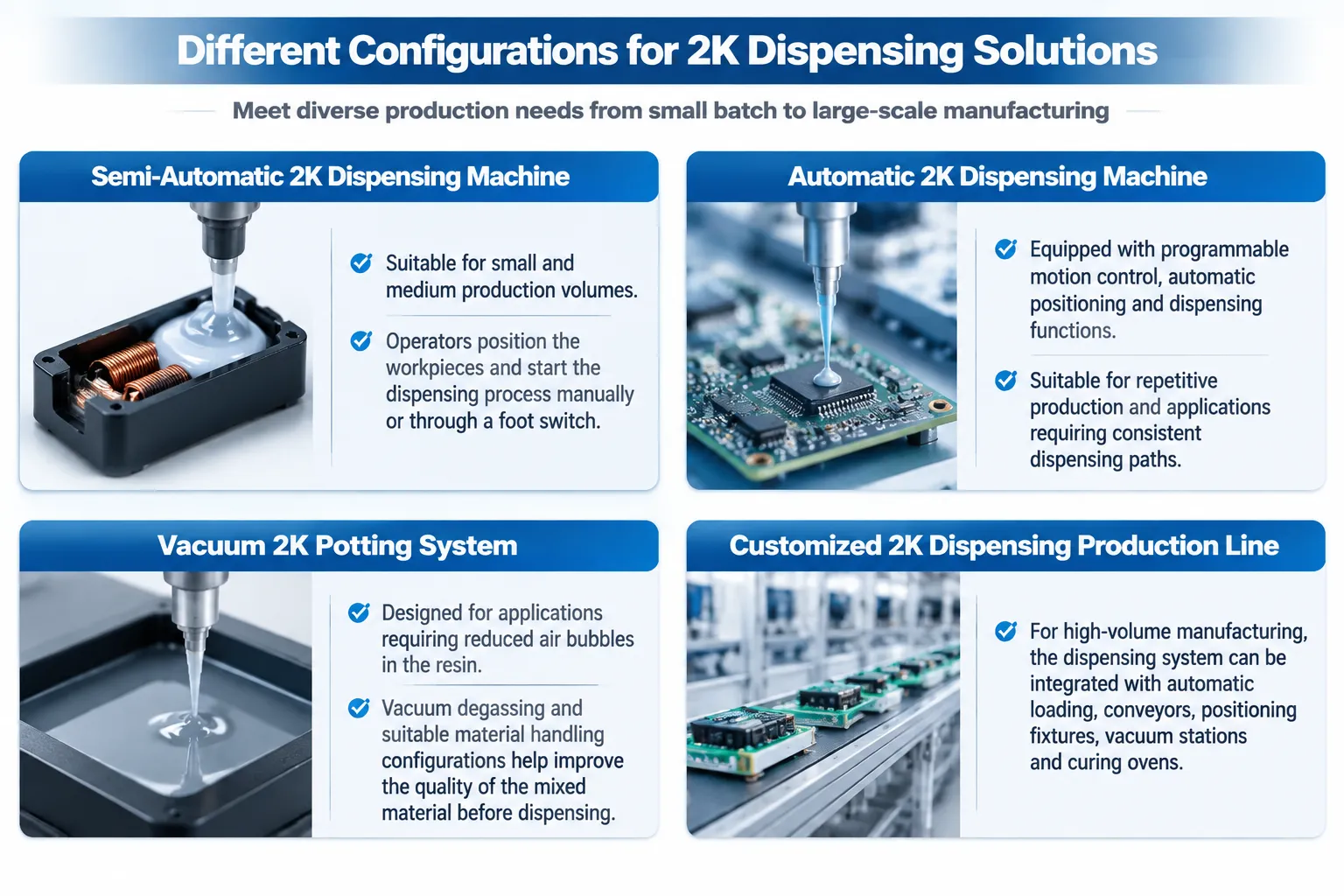
6. Different Types of 2K Adhesive Dispensing Systems
Different production requirements require different machine configurations.
Semi-Automatic 2K Dispensing Machine
Suitable for small and medium production volumes.
Operators position the workpieces and start the dispensing process manually or through a foot switch.
Automatic 2K Dispensing Machine
Equipped with programmable motion control, automatic positioning and dispensing functions.
Suitable for repetitive production and applications requiring consistent dispensing paths.
Vacuum 2K Potting System
Designed for applications requiring reduced air bubbles in the resin.
Vacuum degassing and suitable material handling configurations help improve the quality of the mixed material before dispensing.
Customized 2K Dispensing Production Line
For high-volume manufacturing, the dispensing system can be integrated with automatic loading, conveyors, positioning fixtures, vacuum stations and curing ovens.
7. How to Choose the Right Two Component Dispensing Machine?
Before purchasing a 2K adhesive dispensing system, manufacturers should evaluate several important factors.
| Selection factor | Information required |
|---|---|
| Adhesive type | Epoxy, PU, silicone or other |
| Mixing ratio | 1:1, 2:1, 4:1 or customized |
| Material viscosity | Viscosity of A and B separately |
| Dispensing volume | Required output per cycle |
| Production capacity | Daily or hourly production |
| Dispensing method | Potting, filling, bonding or coating |
| Automation level | Manual, semi-automatic or automatic |
| Material condition | Degassing, heating or stirring requirements |
Providing the adhesive technical data sheet (TDS) and product samples helps determine the appropriate machine configuration.
8. Customized 2K Adhesive Dispensing Solutions
Not every adhesive application requires the same dispensing equipment.
Our engineering team can customize a two-component dispensing solution according to the customer’s material, product design and production process.
Available configurations include:
- Independent A/B material tanks
- Precision gear or screw metering pumps
- Static or dynamic mixing valves
- Vacuum degassing systems
- Tank and pipeline heating
- Automatic XYZ dispensing platforms
- Robotic dispensing systems
- Customized production line integration
From laboratory testing to industrial mass production, we can help select a suitable dispensing solution for your application.
9. Frequently Asked Questions
Q1: What materials can a 2K adhesive dispensing machine handle?
It can be configured for two-component epoxy resin, polyurethane, silicone, thermal conductive adhesives and other reactive materials. Compatibility depends on viscosity, chemical properties and curing characteristics.
Q2: What mixing ratios are available?
Mixing ratios depend on the material formulation and machine configuration. Common examples include 1:1, 2:1, 4:1 and other customized ratios.
Q3: What is the difference between static and dynamic mixing?
Static mixing uses a disposable or fixed mixing element to combine the two components through flow-induced mixing.
Dynamic mixing uses a motor-driven mixing mechanism to actively mix the materials. The appropriate method depends on the material properties and application requirements.
Q4: Can the machine dispense high-viscosity epoxy resin?
Yes. A suitable metering pump, material tank, pipeline and dispensing valve can be selected according to the actual viscosity and operating temperature.
Q5: Can the dispensing machine be integrated into an automatic production line?
Yes. The equipment can be integrated with conveyors, robotic systems, automatic fixtures, vacuum stations and curing ovens.
Q6: How can air bubbles be reduced during epoxy dispensing?
Possible solutions include vacuum degassing, suitable tank stirring, optimized material handling, proper mixing and controlled dispensing parameters. The final process depends on the resin characteristics.
Q7: Can you customize the machine according to our product?
Yes. Machine configuration can be customized according to the product dimensions, adhesive TDS, mixing ratio, dispensing volume, production capacity and automation requirements.
10. Get a Customized 2K Adhesive Dispensing Solution
Are you looking for a reliable 2K adhesive dispensing system for epoxy, polyurethane or silicone applications?
We provide customized two-component metering, mixing and dispensing equipment for electronic potting, transformer encapsulation, LED driver sealing and industrial adhesive applications.
To recommend a suitable machine, please provide:
- Adhesive brand and material TDS.
- A/B mixing ratio.
- Product photos or drawings.
- Required dispensing quantity.
- Expected production capacity.
Contact us to discuss your application and obtain a customized equipment proposal.
Two Component Metering, Mixing and Dispensing Solutions for Industrial Manufacturing.